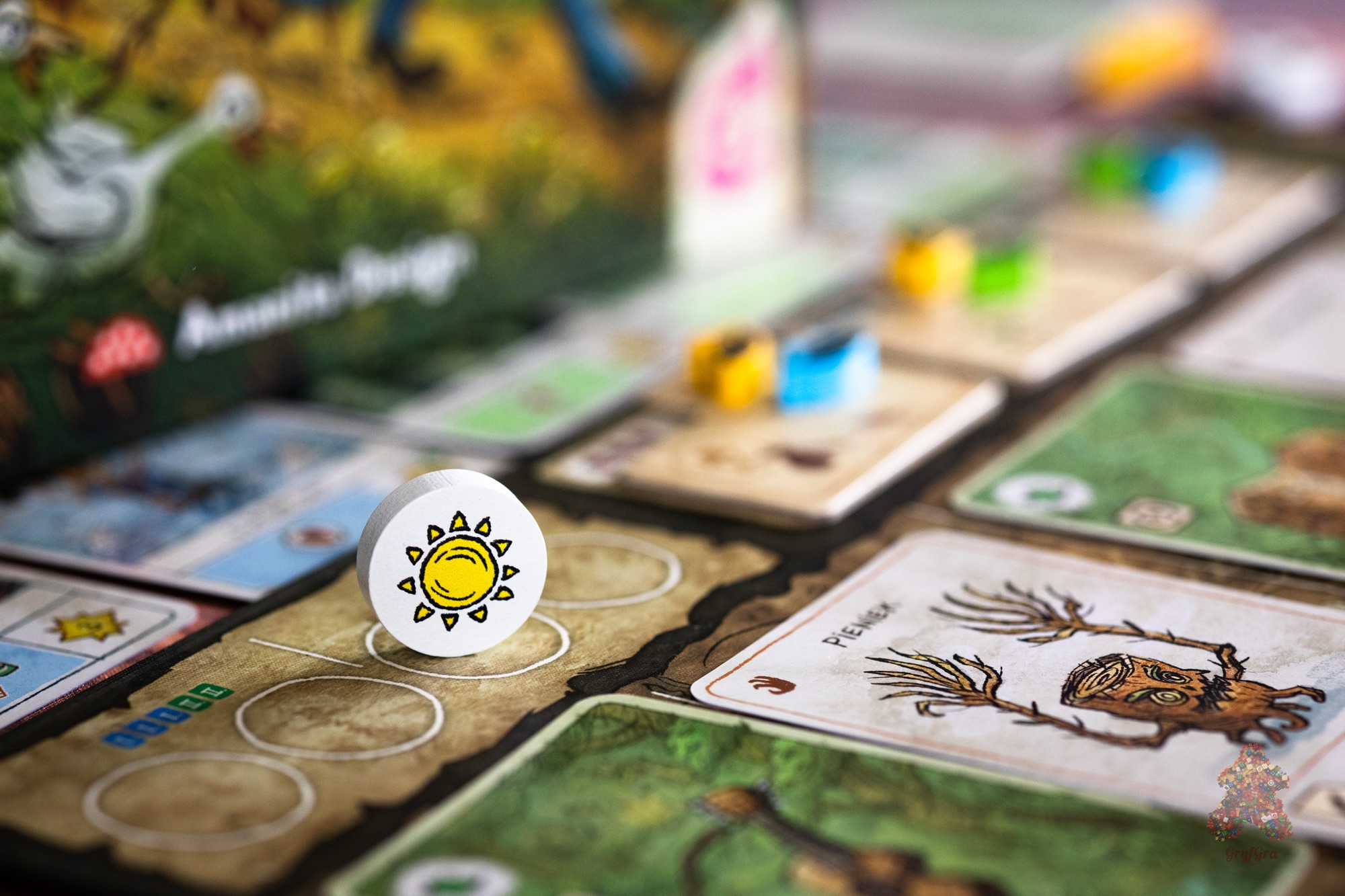
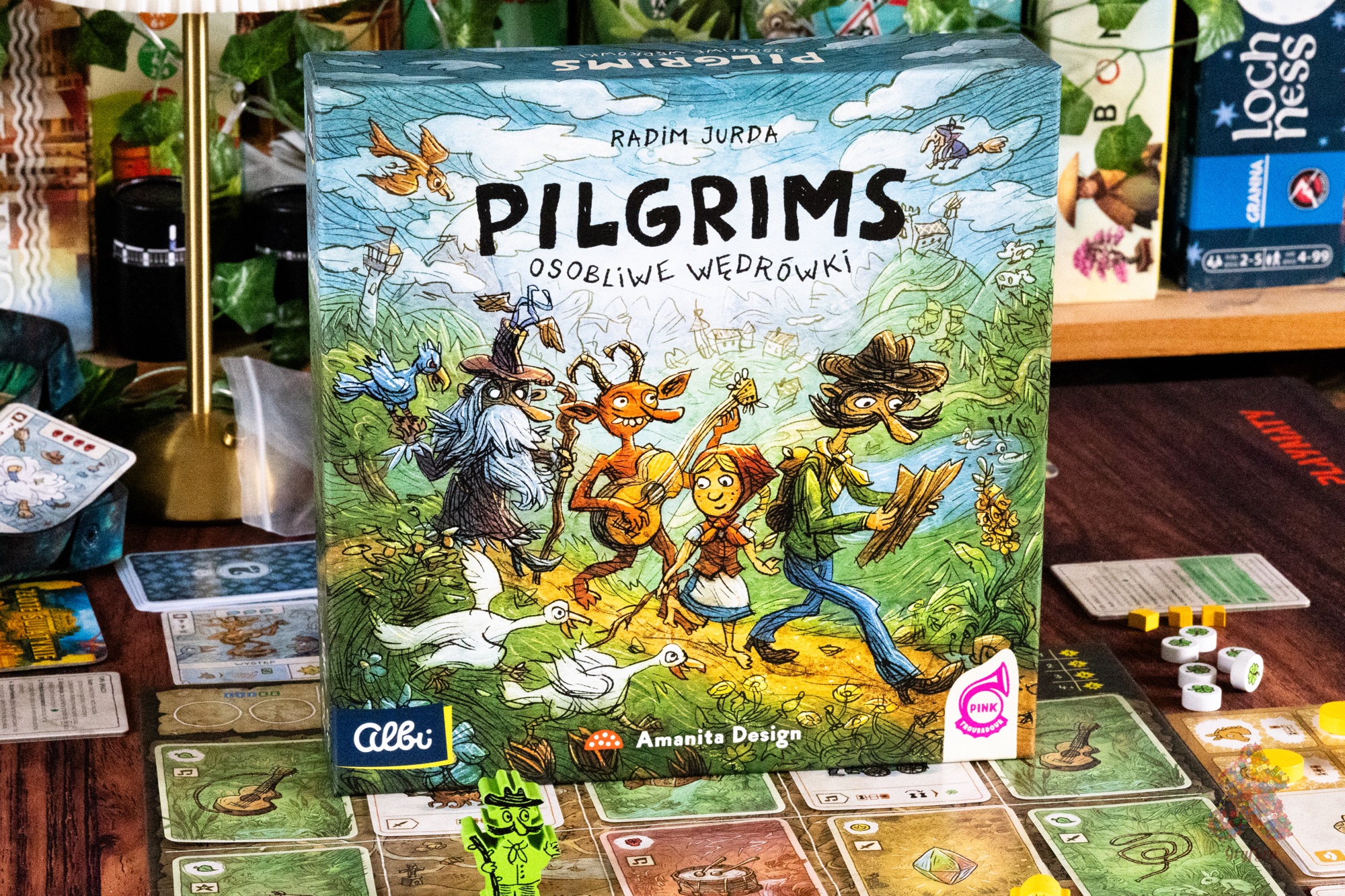
In “Pilgrims: Curious Adventures”, we hit the road, collect useful items and meet companions who help us tackle the challenges ahead. Designed and illustrated by Radim Jurda, the game brings the world of the “Pilgrims” video game to the table. We played the Polish edition published by Albi. This family game for one to four players aged ten and up revolves around planning routes, developing a party and completing adventures.
Gameplay
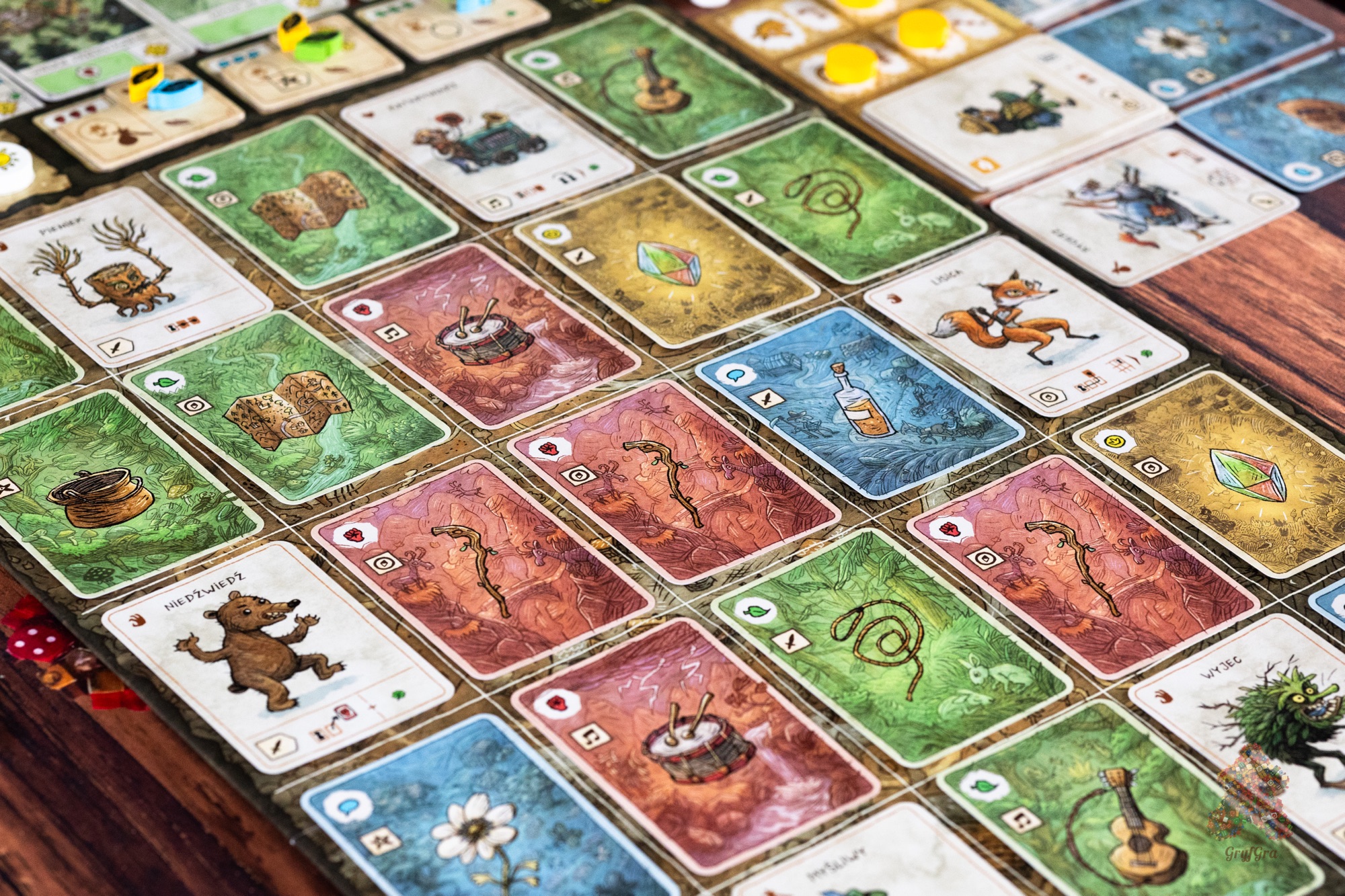
We place a map divided into twenty-five spaces in the middle of the table. Most spaces hold item cards, while companions gather around the campfires. Beside the map, we prepare a display of adventures across two levels and three shared objective tiles. Each player receives a board, a guide, a playing piece and tokens. The game lasts four rounds, with three turns per player in each round.
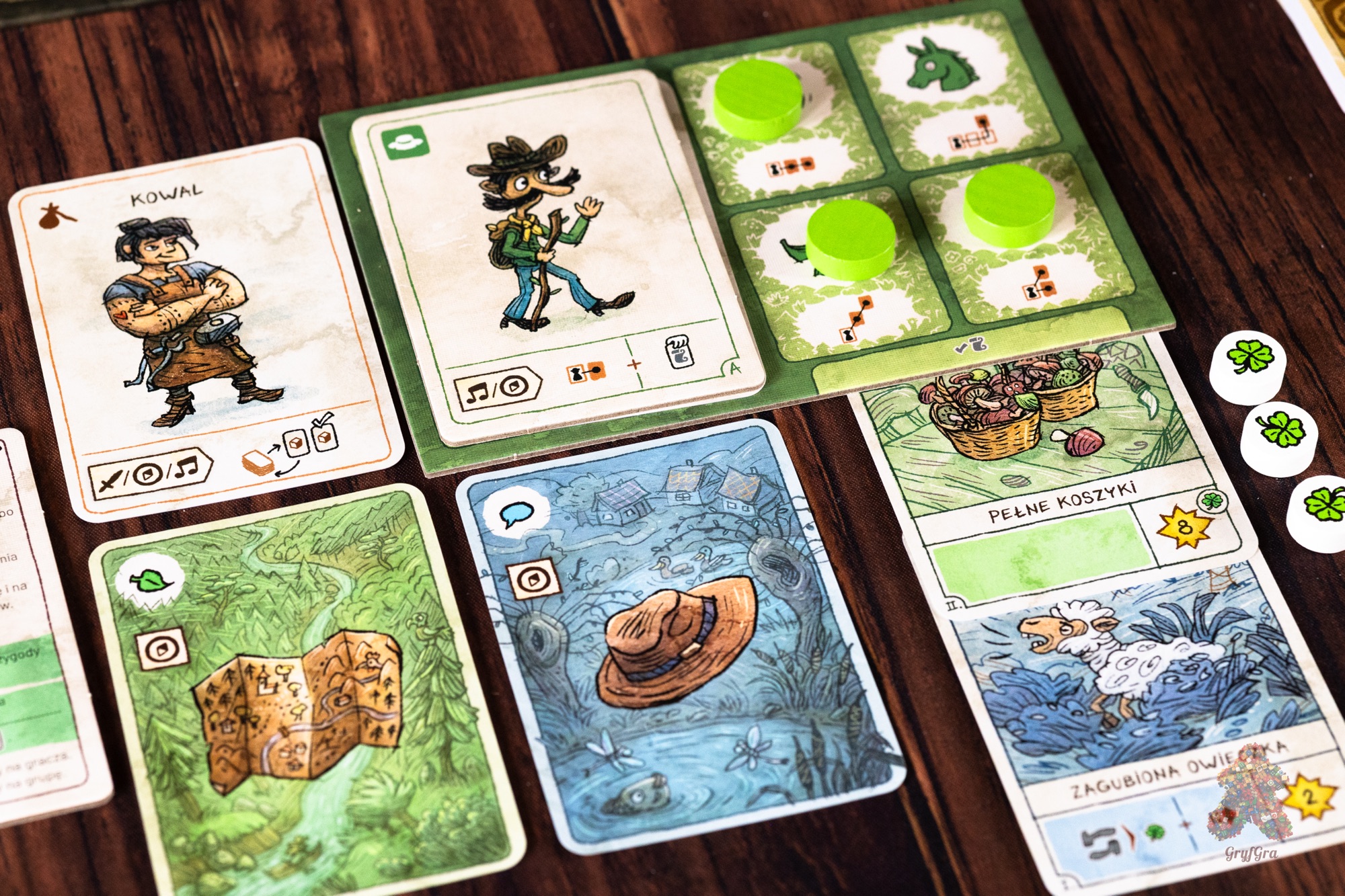
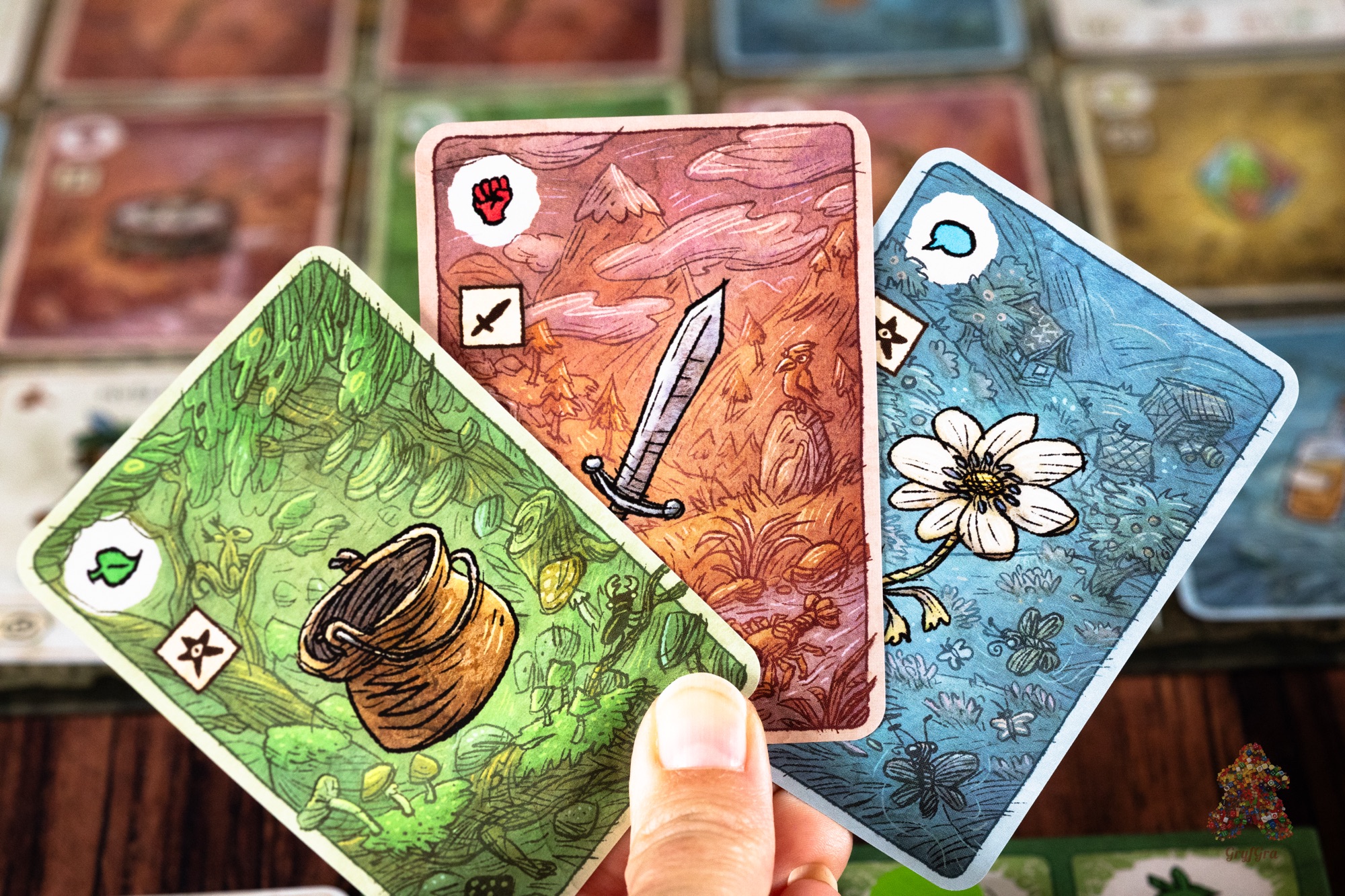
We begin a turn by choosing an available movement option. Each has a particular pattern that we can rotate and flip to suit our position. We take the card from the chosen destination and move our piece into its space. Items go into our hand, while companions join our party. We can normally have up to three companions alongside our guide. The movement option we used remains occupied until the end of the round, so subsequent moves have to account for the options still available.
Next, we either activate a character by playing an item with the matching symbol beneath them, or take a clover token. Abilities can, for example, let us move again and collect another card. The guide also allows us to reserve adventures. The item stays beneath the activated character and must be removed before we can activate them again. We can still use that card to pay for an adventure, however.
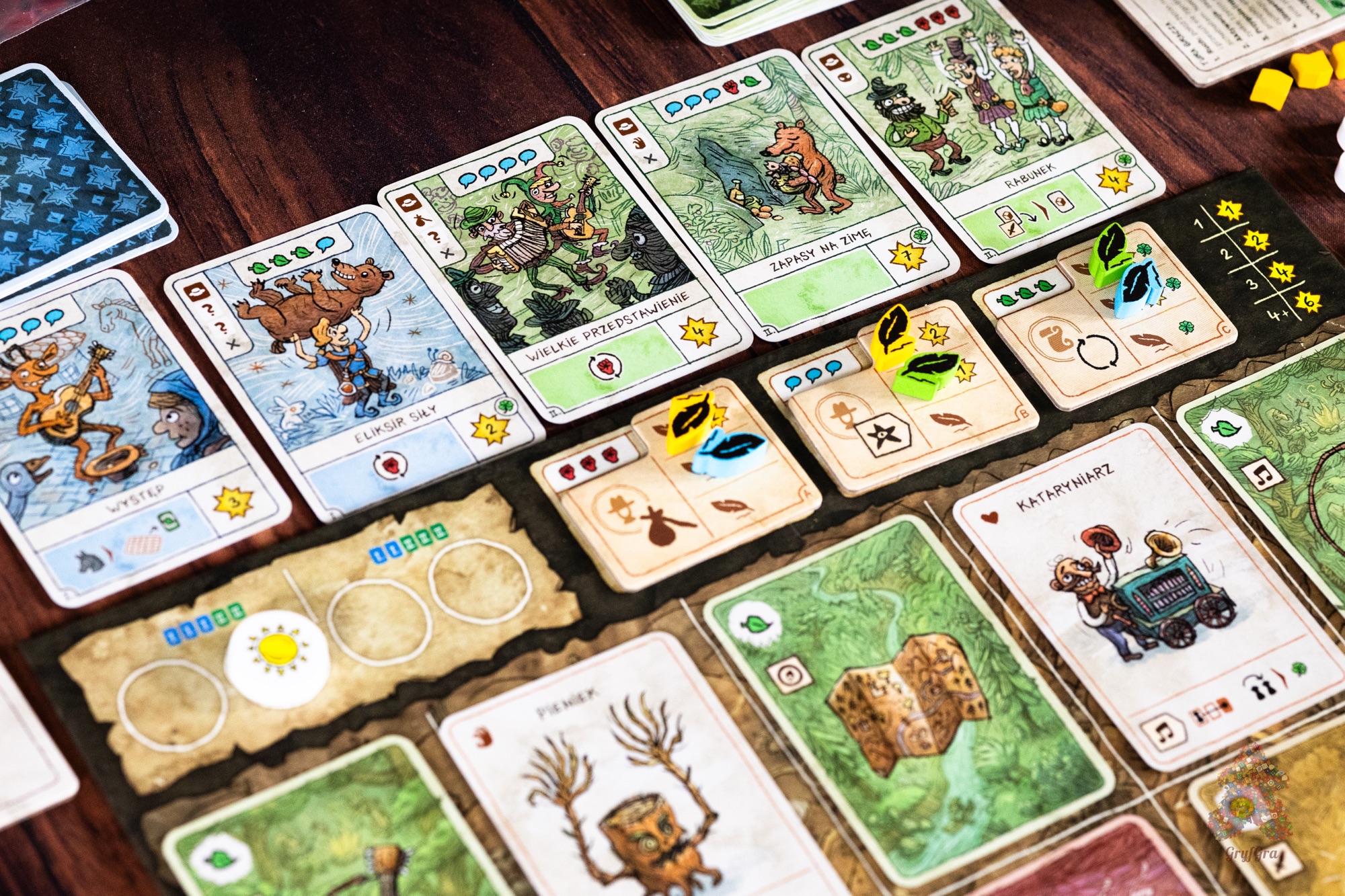
During the optional adventure phase, we complete one adventure card or sign up for a shared objective. Adventures require a suitable party and the payment of items bearing the indicated symbols. Sometimes we also have to dismiss a companion. In return, we gain points and often receive clover tokens or permanent upgrades. Shared objectives award points for particular features of the cards we have collected, with bonuses for signing up earlier.
At the end of the turn, we refill the map and the adventure display. From the halfway point, the display features more difficult adventures, although easier ones remain available. After the fourth round, we count points from completed adventures, shared objectives we signed up for and leftover clover tokens. The player with the highest score wins.
Review
“Pilgrims” was at its most satisfying when we were working out a route towards a specific goal. We usually chose an adventure first, then looked for ways to collect the companions and items it required. We had to bring together the right symbols, the available movement patterns and our characters’ abilities. These few elements create an enjoyable puzzle with plenty to consider on a single turn.
We particularly liked how our movement options narrowed as the round progressed. An appealing card might be nearby, but we still needed a way to reach it. It pays to look beyond the next move. Visualising routes and rotating movement patterns did not cause us much trouble. What took longer was finding a route that would let us collect exactly what we needed.
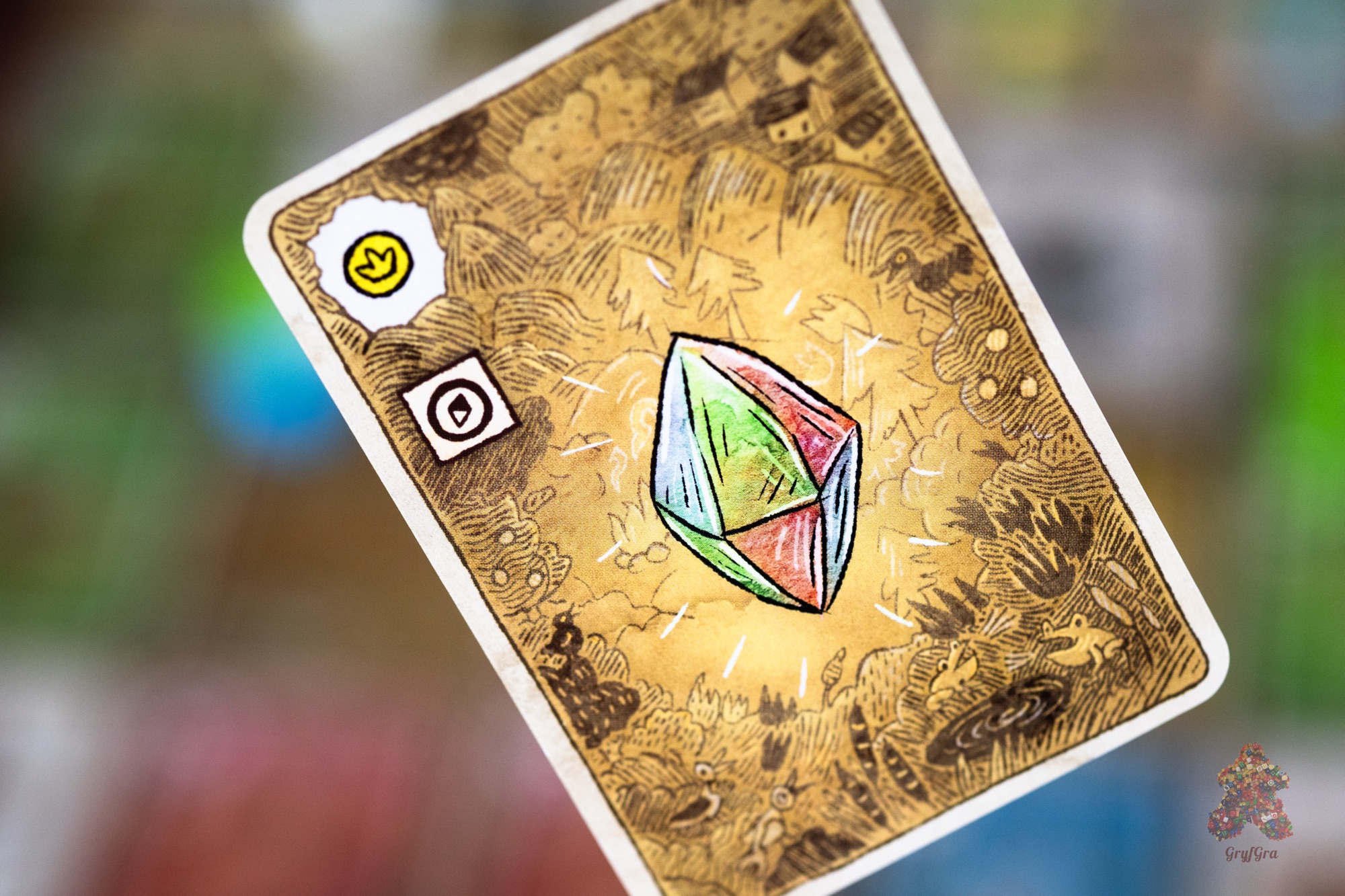
The extra moves granted by characters make a big difference. They let us collect more cards and noticeably expand our options. We also like how activation is tied to the item left beneath a character. After using an ability, we have to clear that space before we can activate the character again. Spending that item on an adventure lets us advance our plan while also preparing the character for another activation.
The upgrades from completed adventures brought us even more satisfaction. Combining them gradually expanded our options and made further goals easier to achieve. A completed adventure therefore matters to the rest of the game as well. We were keen to pick up cards that offered benefits for future turns alongside their points.
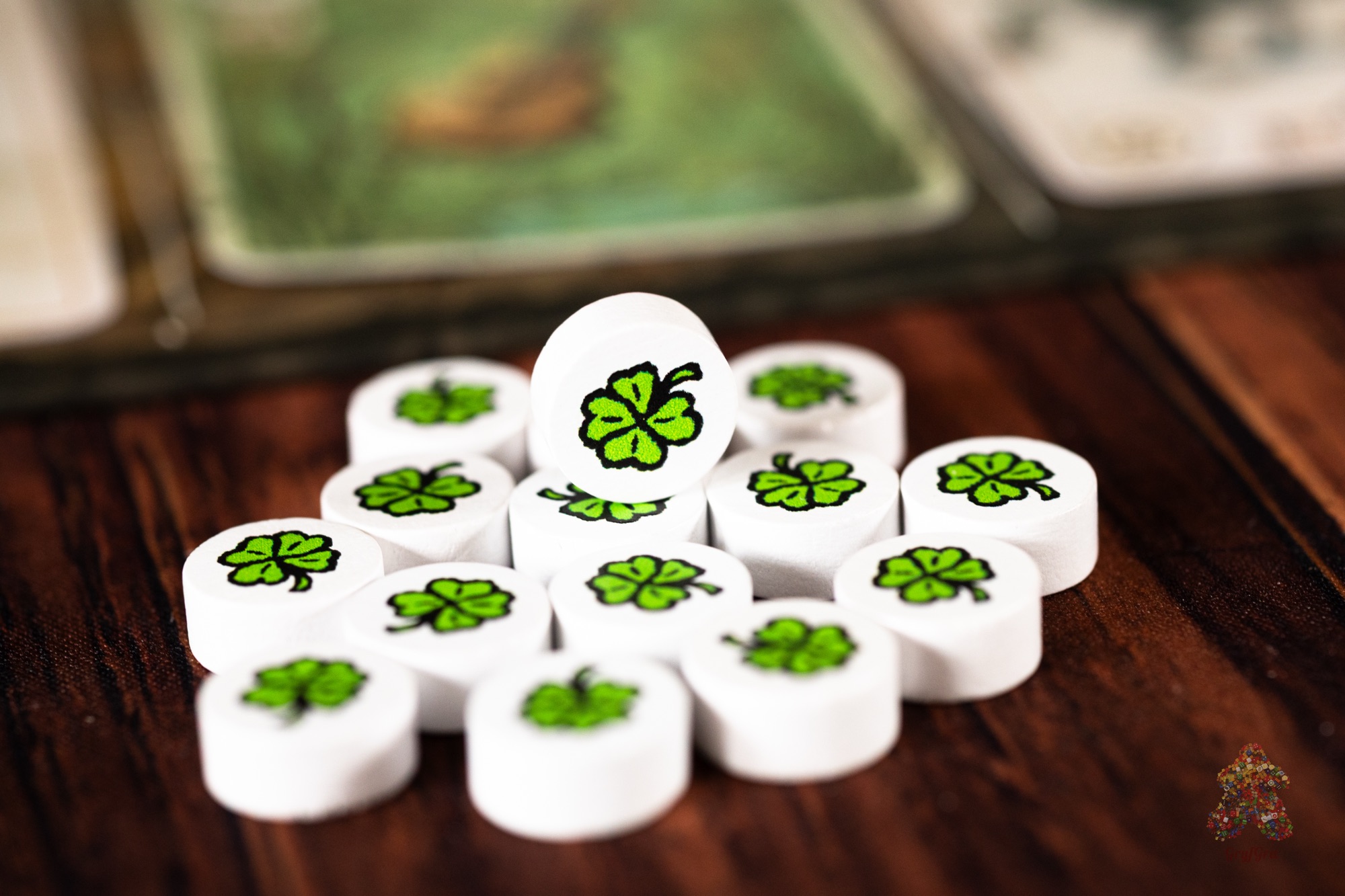
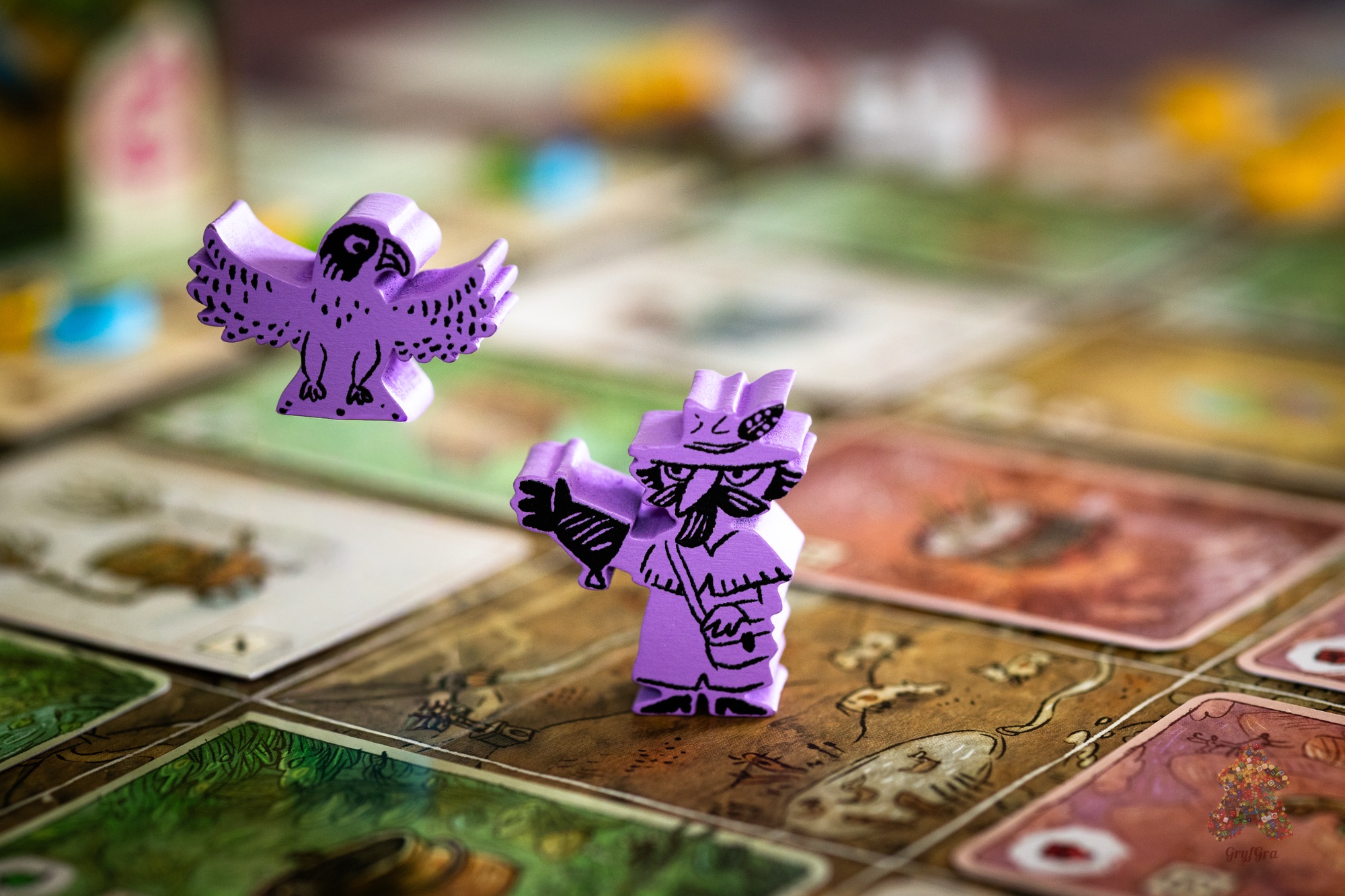
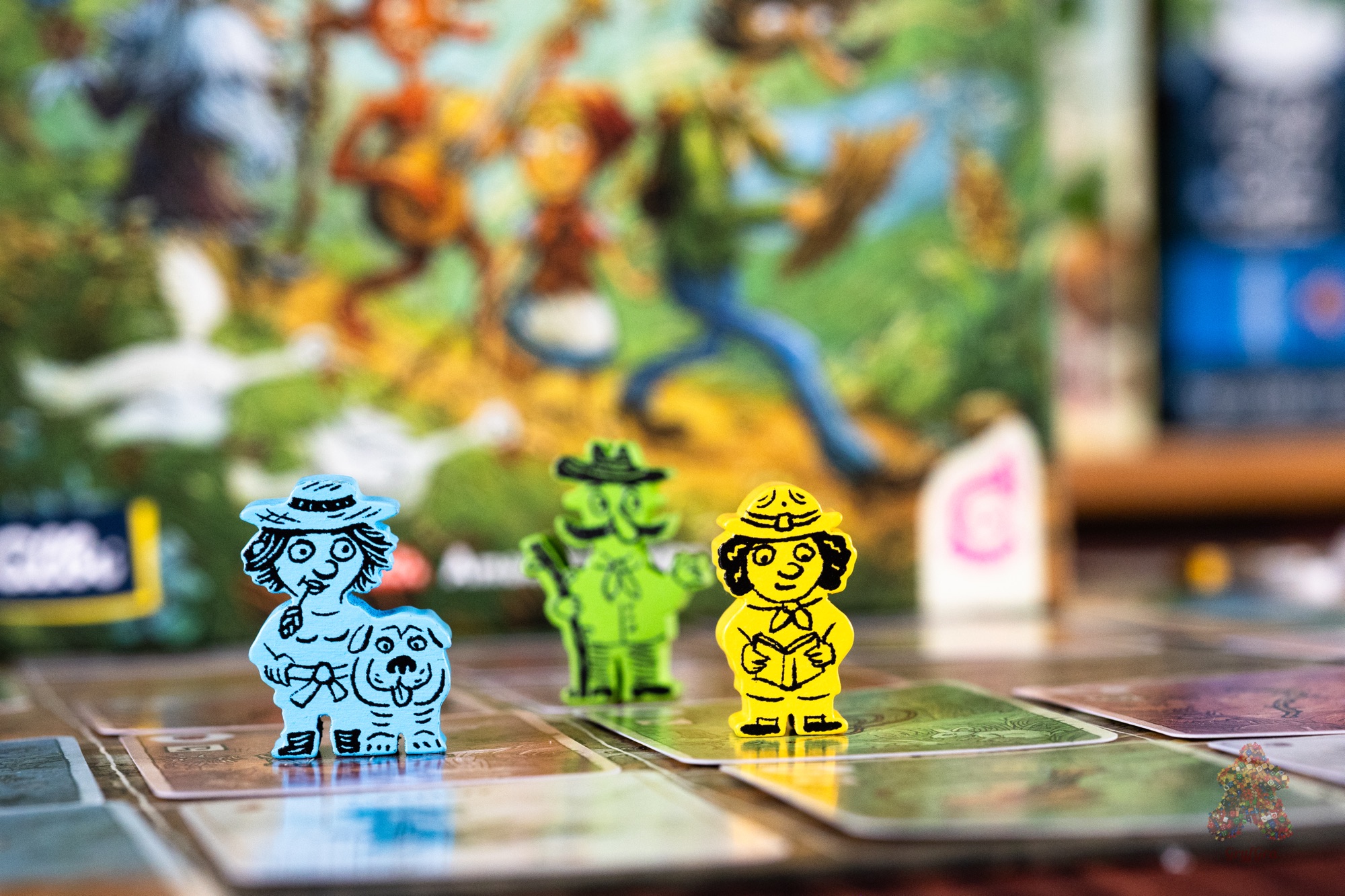
Building the party also demands attention. A companion might be useful for their ability, their type as required by an adventure, or a symbol that scores through a shared objective. The three-companion limit felt sensible: it gives us room to assemble a useful group while making us consider each member’s role. We did not notice any characters that consistently outshone the others regardless of the situation.
Adventures that require us to dismiss a companion create an interesting choice. It can be hard to give up a character with a useful ability, even when the reward is tempting. Our son initially found this particularly difficult, although he warmed to the idea over time. Dismissed companions can also still contribute to shared objective scoring at the end, so it is worth keeping them in mind when planning ahead.
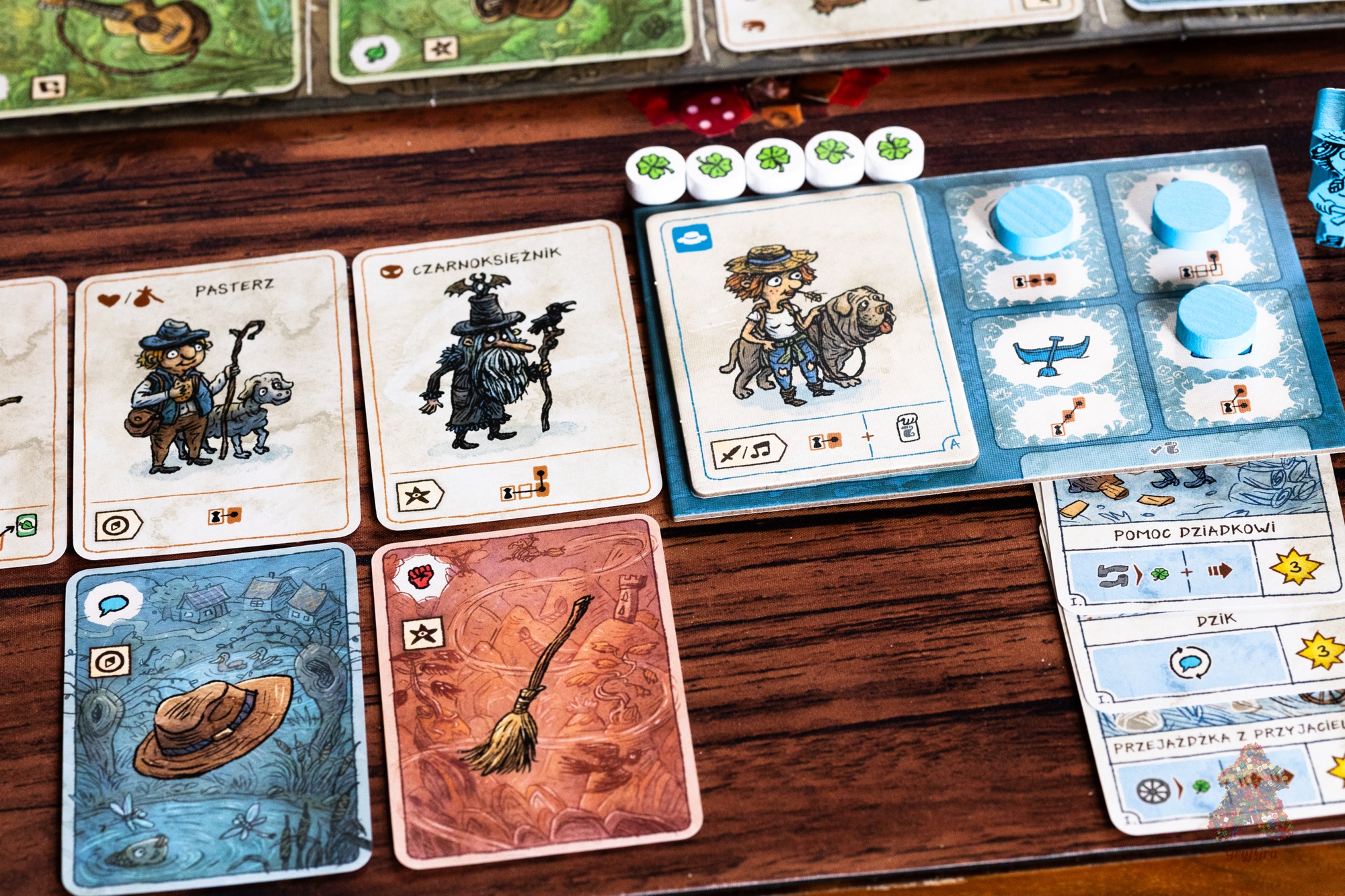
We are not alone on the map. Another player can take an item we need or complete an adventure we have already started preparing for. This happened more than once and could be irritating, but it added tension to the competition. We mainly took cards for our own use. Even without deliberately getting in each other’s way, our plans sometimes overlapped. It helps to have an alternative ready, especially when several pieces are still missing from the goal we have in mind.
We felt the randomness most strongly when cards were replenished. The opening layout is shared information that everyone tries to make the best use of. Later draws can favour a particular player more directly by revealing exactly what they need. Luck therefore affects the result, although our games did not leave us feeling that it usually decided the winner. Clover tokens help by allowing us to adjust symbols, among other things. We tried to save them where possible, but spending them sometimes made a plan much easier to carry out.
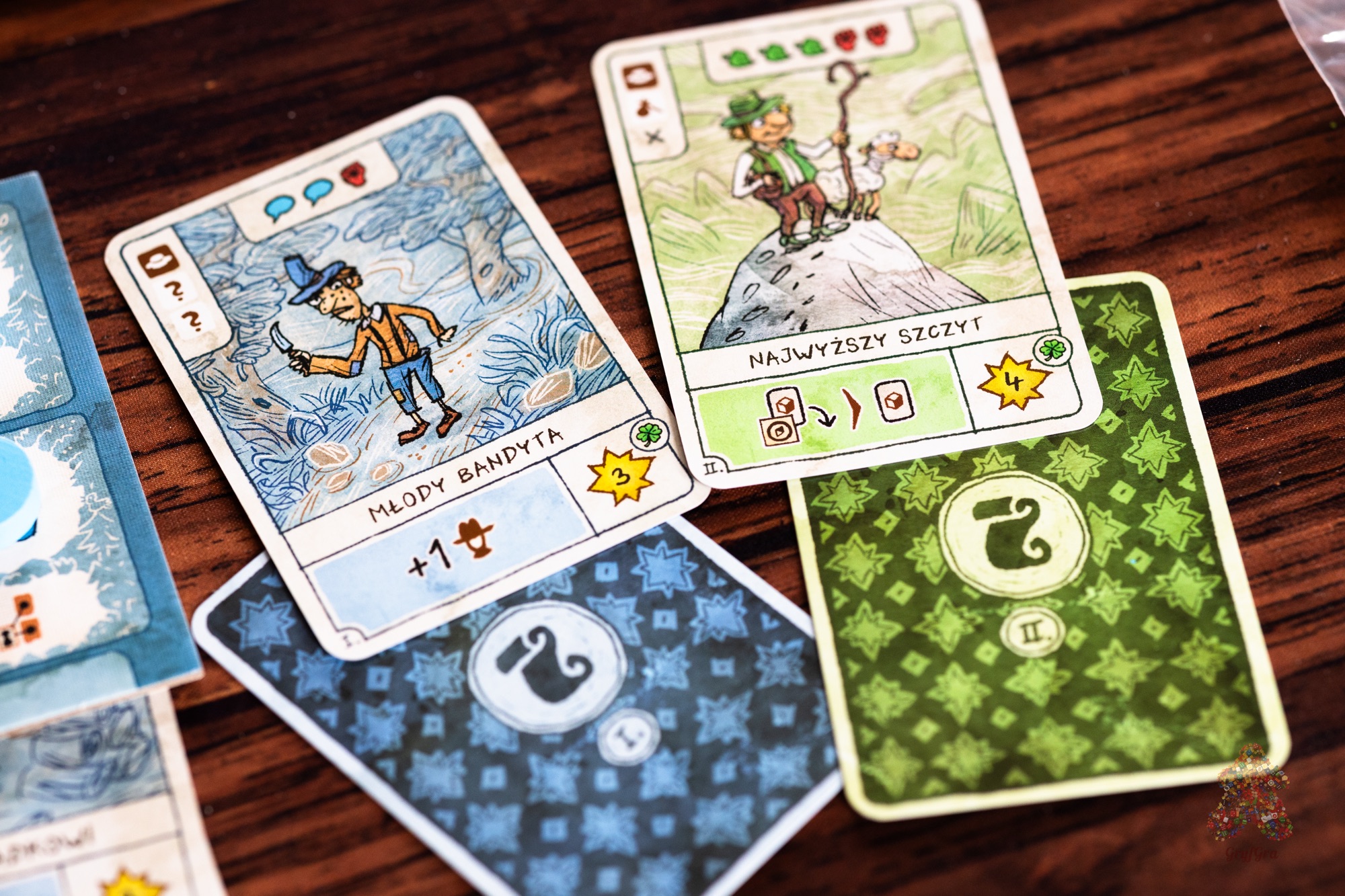
Shared objectives provide another reason to act efficiently. At first, the bonuses for the first two players to sign up mattered most; later, we paid more attention to collecting the symbols that would score. We drew points from different sources and did not notice one dominant strategy. The outcome remained uncertain until the end, partly because it was hard to keep an exact running total of the contributions from dismissed companions.
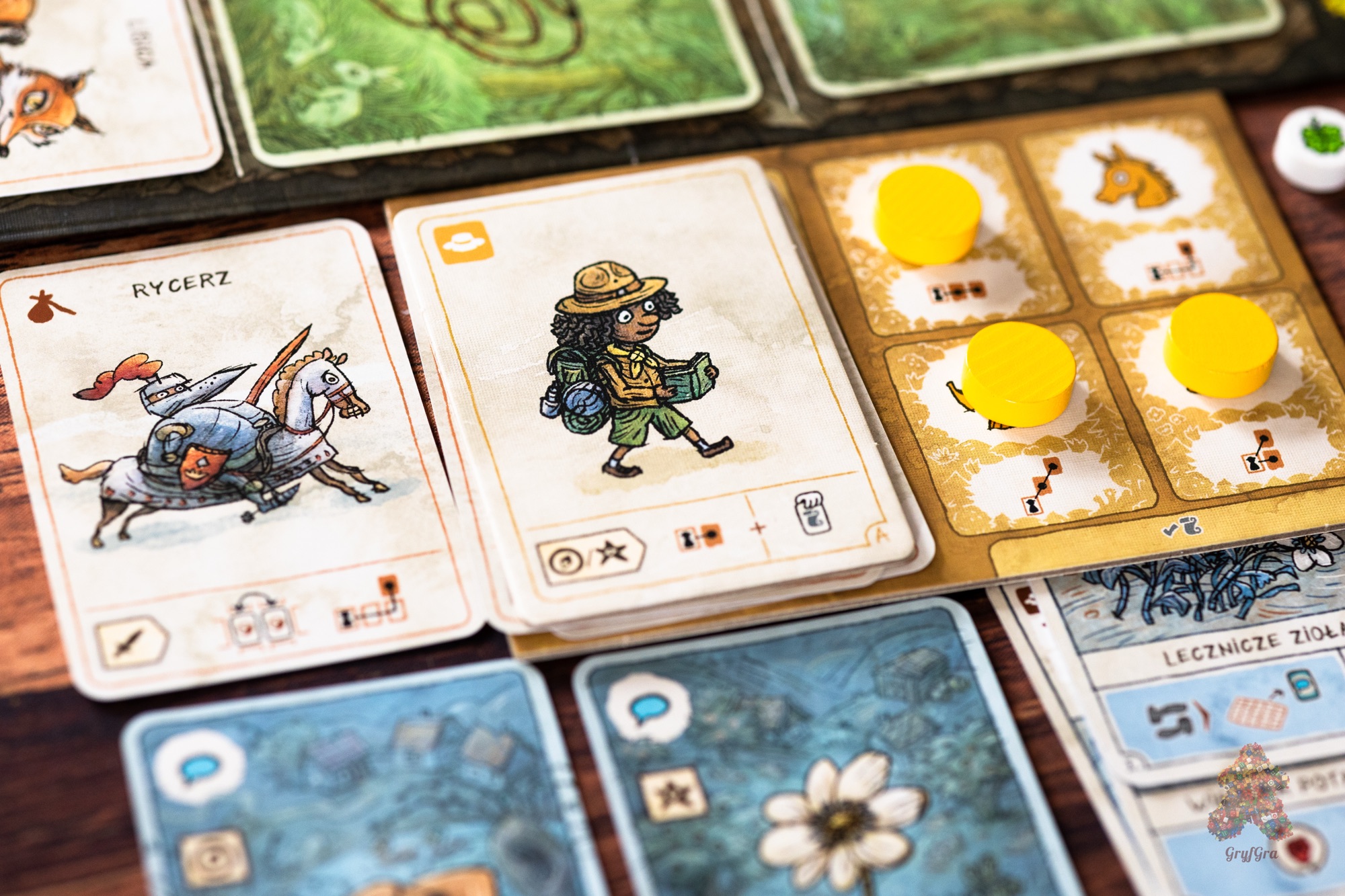
We played with two and three players. We preferred the three-player games, where competition for cards was more noticeable. The game also works well with two, but it is calmer and we get in each other’s way less often. We could usually prepare our turn while the others were playing. Our first game took about an hour, with later sessions finishing in a little over forty minutes. Twelve turns gave us room for more ambitious plans while still making us choose our priorities. We finished wanting just a little more, with a few ideas we would still have liked to carry out.
Abilities, upgrades and shared objective scoring required the most attention at the beginning. The distinction between the two groups of symbols was clear, although remembering their uses took a little time. The player aids helped, and by the third round of our first game we were playing fairly confidently. Our thirteen-year-old son had no trouble keeping up. We would still recommend “Pilgrims” to families with some board gaming experience.
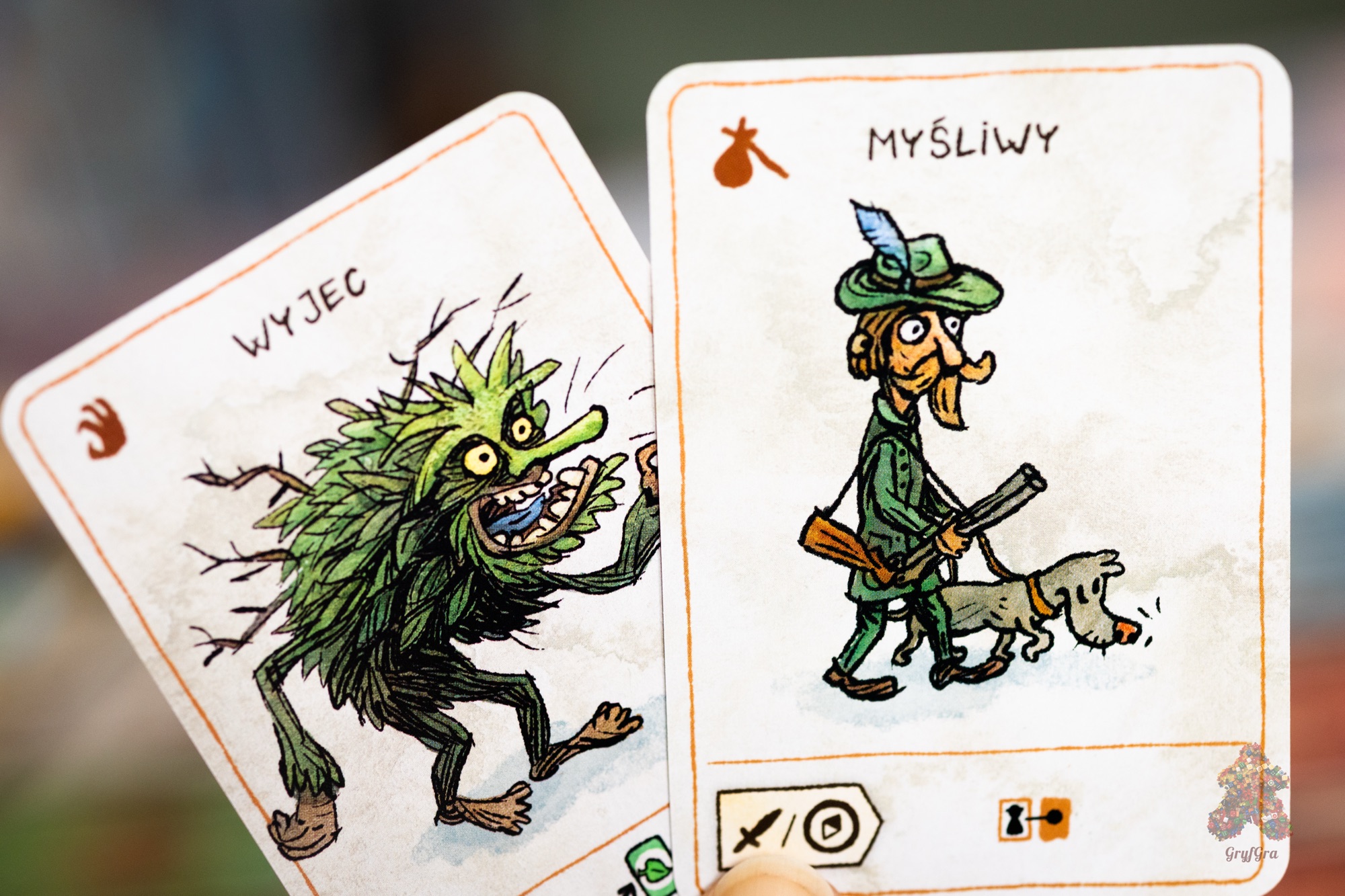
The illustrations deserve a paragraph of their own. The fairy-tale style, with its slightly dark edge, is very much to our taste. The characters have personality, different backgrounds help distinguish the card types, and the iconography fits the overall look. The map and symbols remain readable, and we had no complaints about the production quality. We initially expected more literal exploration and adventure. In practice, much of our attention went to routes, symbols and card requirements, but the presentation still gave us a pleasant sense of wandering off the beaten track in search of something interesting.
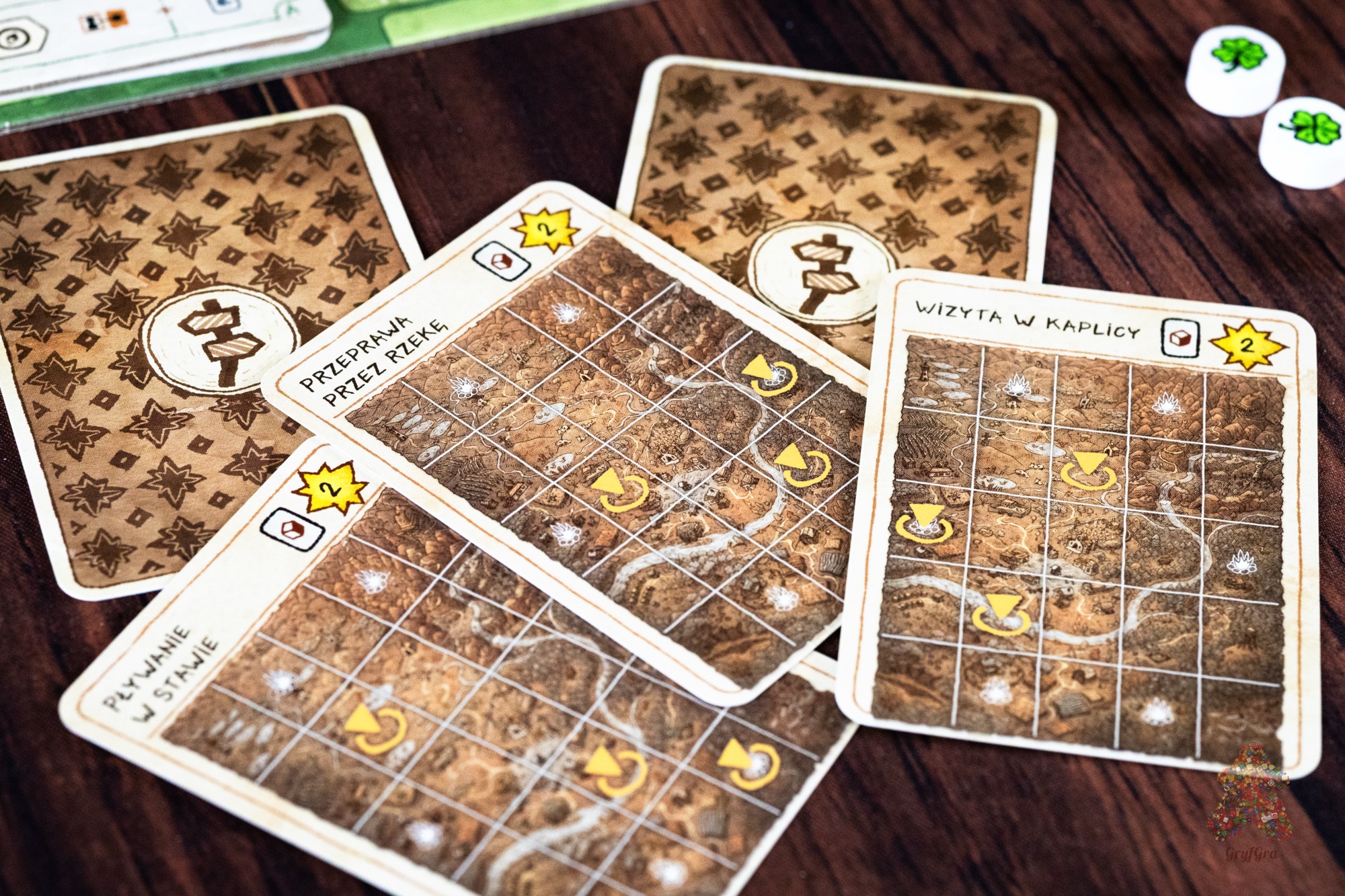
Different card layouts, objectives and available companions were enough to hold our interest, although later games did not require a fundamental change of approach. We also tried the journey cards once. They give us another reason to visit particular locations and add one more consideration when planning a route. They are a pleasant addition for anyone in the mood for a slightly more demanding game. We will also happily return to the basic version.
Summary
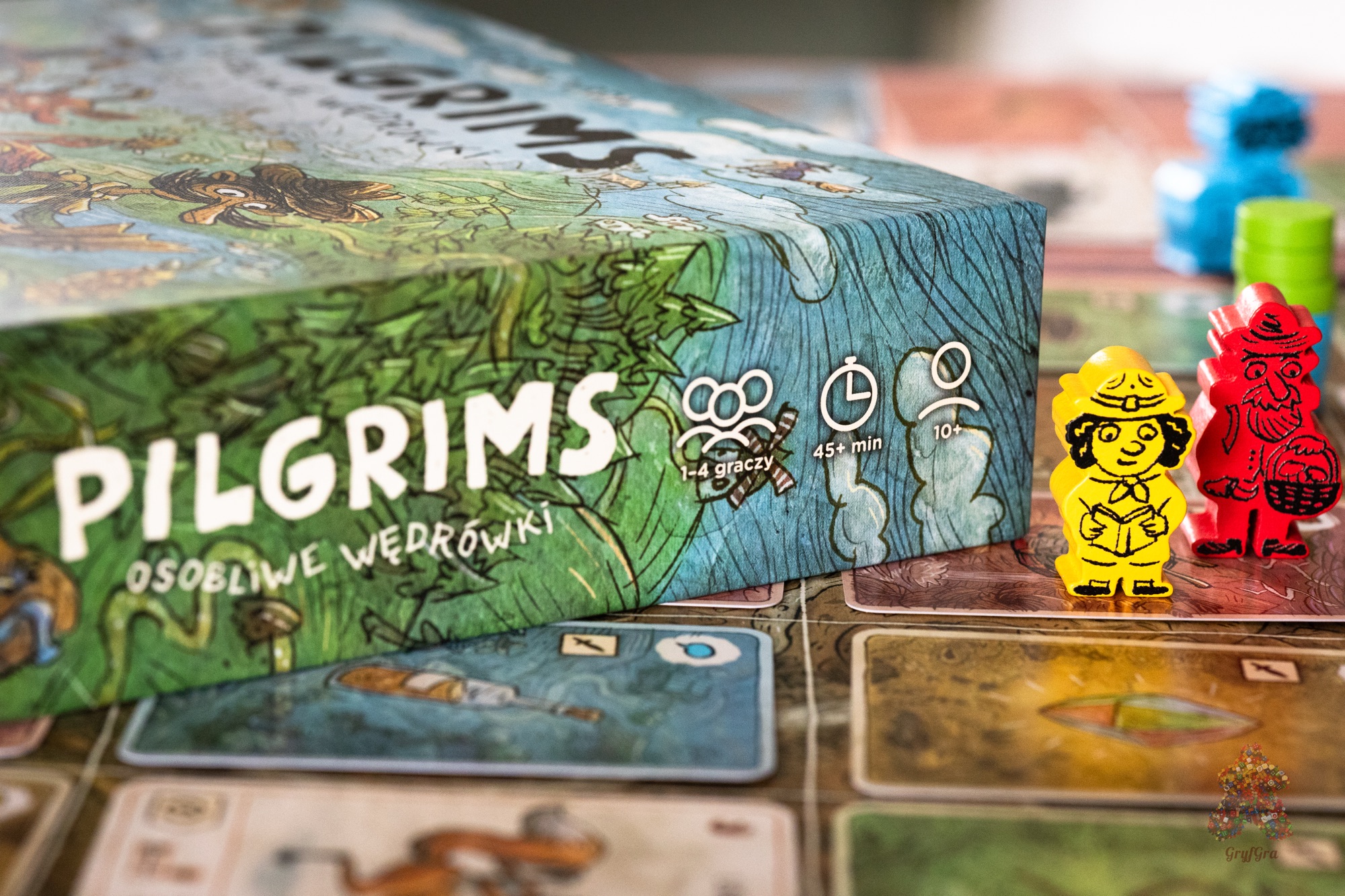
“Pilgrims: Curious Adventures” brings movement planning, party building and expanding player abilities together in an enjoyable family game. It is hard to single out one mechanism responsible for its appeal. The satisfaction comes from the way its many small elements work together, while the excellent illustrations make this a world we enjoy looking at and want to revisit.
We recommend it to families and players who already have some board gaming experience. Expect to spend a little time learning the symbols, to deal with the influence of card draws and occasionally to lose a card you had your eye on. In return, there are plenty of interesting decisions within a reasonable playing time. We had the most fun with three players, but the quieter two-player journeys also left us with fond memories.